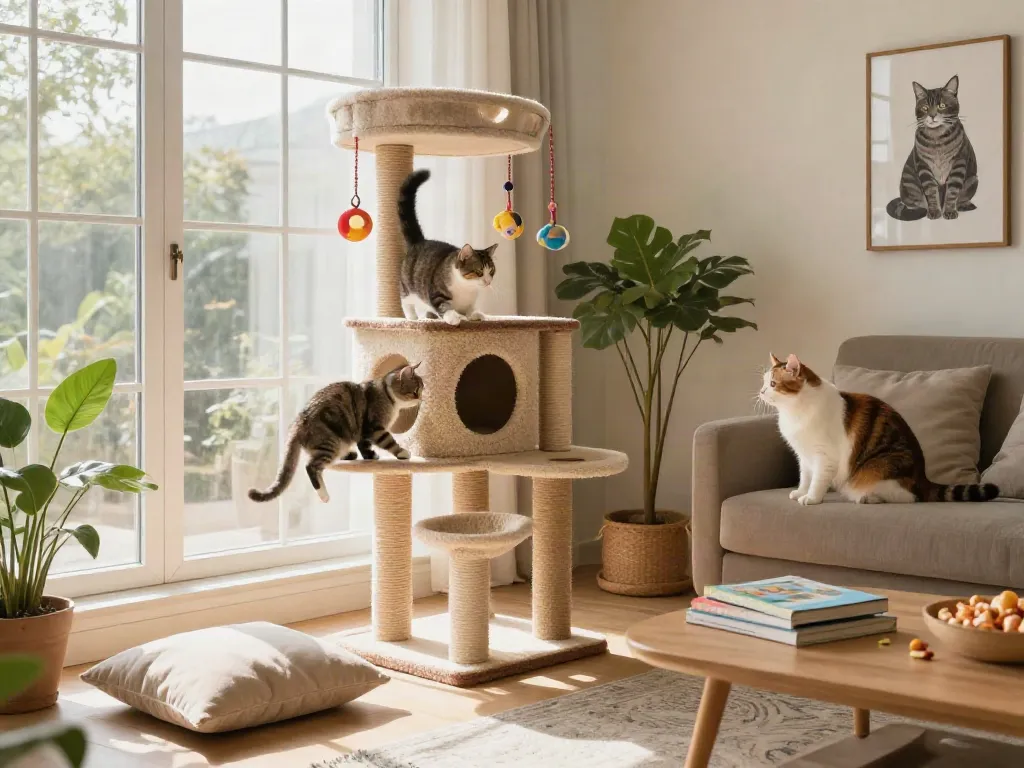
The Importance of Choosing the Right Cat Trees
Choosing the right cat tree is a significant decision for any cat owner, as it plays a crucial role in fostering your feline friend’s physical and mental well-being. Cats are natural climbers and explorers, inherently seeking vertical spaces to feel secure and enriched. When exploring options, cat trees offer a fantastic solution, providing a safe environment for climbing, scratching, and resting. This guide will delve into the importance of selecting a suitable cat tree while addressing your cat’s unique needs and preferences.
Understanding Your Cat's Needs
Every cat has its own personality, and their preferences can vary dramatically. For instance, some cats prefer to lounge at a high vantage point, while others may enjoy a cozy nook for hiding. Understanding your cat's specific desires is the first step in choosing the right tree. It's essential to consider:
- Activity Level: Active cats will benefit from taller trees with multiple platforms and ramps, while more sedentary cats might prefer a lower, simpler structure.
- Age: Kittens might require a more robust design that can withstand their playful antics, whereas senior cats may need ramps or softer surfaces for easier access.
- Social Dynamics: If you have multiple cats, investing in a large tree with multiple compartments can prevent territorial disputes.
Common Mistakes When Selecting Cat Trees
Selecting a cat tree can be overwhelming, and it's easy to make mistakes. Here are some common pitfalls to avoid:
- Ignoring Size: Ensure the tree fits well within your living space while providing ample room for your cat to play.
- Choosing Aesthetics Over Functionality: While a stylish tree is appealing, ensure it meets your cat's practical needs for play and rest.
- Overlooking Stability: A sturdy cat tree is crucial for safety; avoid lightweight models that may topple during use.
How Cat Trees Enhance Your Home Environment
Cat trees serve more than just functional purposes; they can enhance your home's aesthetics. A well-chosen cat tree can act like a piece of furniture, harmonizing with your home decor while providing a dedicated space for your cat. Additionally, they help keep your cats engaged, reducing destructive behaviours associated with boredom.
Types of Cat Trees: Finding the Perfect Fit
Not all cat trees are created equal; understanding the variety available can help you make a more informed choice. Here’s a breakdown of different styles and features you might explore.
Different Styles of Cat Trees Explained
Cat trees come in various styles, each catering to different needs:
- Traditional Cat Towers: These are often tall with multiple levels, offering ample climbing and lounging spaces.
- Wall-Mounted Shelves: Ideal for small spaces, these shelves allow your cat to climb while saving floor space.
- Multi-Level Cat Condos: Designed for larger families of cats, they provide ample room for playing and resting.
Essential Features to Look For in Cat Trees
When selecting a cat tree, consider these essential features to ensure your purchase is conducive to your cat's lifestyle:
- Scratching Posts: Look for trees equipped with sisal or carpeted scratching surfaces to satisfy your cat’s instinctual need to scratch.
- Hideaways: Enclosed spaces are fantastic for shy or anxious cats, offering them a sense of security.
- Interactive Elements: Incorporating toys or dangling elements can enhance engagement and play.
Comparing Materials: Wood vs. Fabric Cat Trees
When it comes to materials, both wood and fabric cat trees have distinct advantages:
- Wooden Cat Trees: Generally more durable and stable, they are easier to clean and often look more aesthetically pleasing in a home setting.
- Fabric Cat Trees: Typically more affordable, but may require more maintenance due to potential wear and tear over time.
Assembly and Maintenance of Cat Trees
Understanding how to assemble and maintain your cat tree is crucial for longevity and safety. Proper assembly ensures your tree can withstand your cat's playful nature while regular maintenance keeps it safe and clean.
Step-by-Step Guide to Assembling Cat Trees
While specific instructions will vary by model, the general steps for assembling a cat tree typically include:
- Gather all components and tools required for assembly.
- Follow the assembly manual carefully, ensuring each part is secured tightly.
- Check the stability of the tree before introducing your cat to it.
Regular Maintenance Tips for Longevity
To extend the life of your cat tree, consider these maintenance tips:
- Regular Cleaning: Vacuum fabric areas and wipe down wooden surfaces to remove hair and debris.
- Inspect for Damage: Routinely check for wear and tear, tightening bolts and replacing any damaged components promptly.
Signs Your Cat Tree Needs Replacement
Even the best cat trees have a finite lifespan. Here are signs that yours may need replacing:
- Visible structural instability or wobbling.
- Damaged parts that could pose a risk to your cat.
- A noticeable lack of interest from your cat, indicating it may not be engaging anymore.
Enhancing Your Cat's Experience with Towers
Once you’ve selected a cat tree, the next step is enhancing its utility and enjoyment for your feline companion.
Interactive Elements to Add to Your Cat Tree
Encourage play and exploration by adding interactive features:
- Hanging Toys: Attach feathers or balls that dangle to entice your cat to play.
- Catnip Areas: Sprinkle catnip on certain platforms to draw interest.
Creating a Safe Climbing Environment
Safety should always be a priority, so ensure the tree is secure and placed in a safe location, away from hazards that could cause harm during play.
Incorporating Cat Trees into Your Home Decor
Cat trees can enhance your home’s aesthetic when chosen thoughtfully. Opt for designs and colours that complement your interior design, transforming a mere cat accessory into a stylish feature.
Future Trends in Cat Tree Design for 2026
As we look ahead, the world of cat trees is evolving, with exciting innovations on the horizon.
Innovative Features to Look Out For
Future cat trees may incorporate smart technology, including:
- Integrated activity monitors to track your cat’s playtime.
- Adjustable heights for multi-tasking use, allowing you to modify based on your cat’s needs.
Eco-Friendly Materials in Modern Cat Trees
As sustainability becomes increasingly important, expect future cat trees to incorporate eco-friendly materials, such as recycled fibres and sustainable woods, promoting both your pet’s welfare and the environment.
Predictions for Cat Furniture Design in the Coming Years
Cat furniture design is likely to continue trending towards customisation and personalisation, allowing for a more tailored approach to your home and your cat’s needs.
What is the best type of cat tree for large cats?
Large cats typically benefit from wider platforms and sturdier structures. Look for trees specifically designed for larger breeds, which will provide adequate support and safety.
Are cat trees worth the investment?
Absolutely! Cat trees provide essential physical and mental stimulation for your cats, making them a worthwhile purchase for their health and happiness.
How to teach cats to use their new cat tree?
Introduce the cat tree gradually by placing it in a common area, using treats and toys to encourage exploration. Patience is key, as some cats may take longer to adapt.
Do cats prefer carpeted or wooden cat trees?
This largely depends on the individual cat's preferences. Many enjoy the warmth and texture of carpet, while others may favour the cool, firm surface of wood.
What maintenance do cat trees require?
Regular cleaning, checking for damages, and ensuring all elements are secure will keep your cat tree in good condition.